

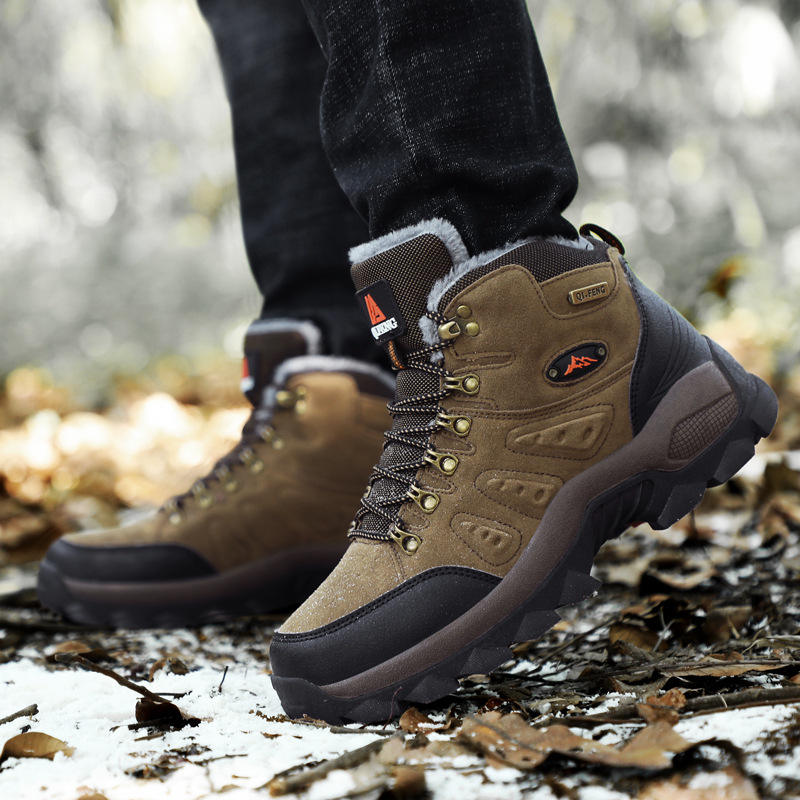
Introduction: Why Design Matters in Hiking Boots
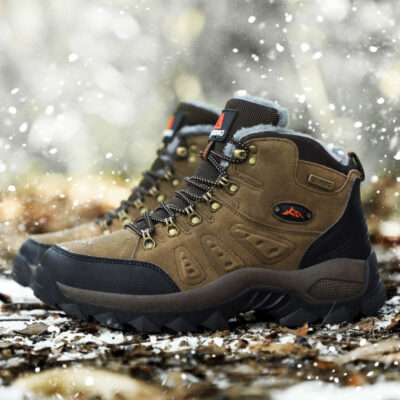
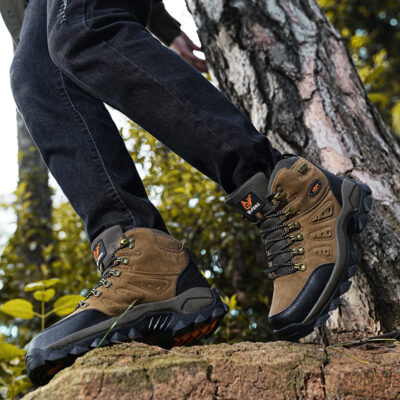
Hiking boots are not just outdoor gear—they are critical equipment that protects users in rugged environments. For wholesalers and distributors, understanding what buyers expect in hiking boots manufacturing is key to sourcing products that perform well in global markets. A trusted hiking boots manufacturer balances functionality, comfort, and durability to meet both professional and casual demands.
1. Durability Through Material Selection 🐂
Buyers expect hiking boots to withstand extreme wear and tear. Leading factories prioritize:
✅ Full-grain leather for premium durability and water resistance
✅ Synthetic textiles for lightweight performance
✅ Reinforced outsoles for long-term grip
✅ Protective coatings to resist abrasion
These materials ensure boots maintain performance across different terrains and climates.
2. Comfort and Ergonomics 👟
End-users spend long hours on their feet, making comfort essential. Design expectations include:
Cushioned midsoles that absorb shock
Breathable mesh lining for moisture control
Lightweight structures to reduce fatigue
Padded collars and tongues for extra support
Wholesalers sourcing from an experienced Hiking boots Manufacturer can guarantee consistent comfort features across bulk orders.
3. Waterproofing and Weather Resistance 🌧️
Outdoor buyers demand boots that perform in wet, snowy, or humid conditions. Manufacturers address this through:
Seam-sealed construction to block water
Waterproof membranes such as Gore-Tex alternatives
Quick-drying materials for convenience
Insulated lining for cold-weather hiking
Waterproofing technology is now a standard buyer expectation, especially for premium wholesale markets.
4. Traction and Outsole Performance 🛠️
Safety on steep, rocky, or muddy trails depends on outsole quality. Buyers look for:
Deep lugs for strong grip on uneven ground
Oil- and slip-resistant compounds
Durable rubber blends for longer wear
Flexible soles for natural foot movement
Reliable traction reduces risks and enhances user trust in the brand.
5. Customization Options for Branding 🎨
In addition to performance, many buyers want boots that reflect their brand identity. A custom boots factory offers:
Logo embossing or printing on uppers and insoles
Wide color palette aligned with retail demands
Unique packaging for wholesale or retail supply
Functional customization (anti-static, steel-toe variants)
These options allow distributors to meet diverse market needs with tailored solutions.
6. Compliance and Testing Standards 🌍
Wholesalers expect certified compliance with standards such as:
EN ISO 20345 for protective footwear
ASTM F2413 for impact and compression resistance
Environmental certifications for sustainable buyers
By sourcing from compliant factories, buyers secure market access without regulatory risks.
Recommended Links for Buyers 🔗
Partner with a reliable Hiking boots Manufacturer offering durable and innovative designs.
Enhance brand identity with a Custom boots Supplier specializing in tailored outdoor footwear solutions.
Conclusion: Meeting Buyer Expectations in Hiking Boots
Key design elements—durability, comfort, waterproofing, traction, customization, and compliance—define buyer decisions in the hiking boots market. Manufacturers who integrate these features consistently earn the trust of wholesalers and distributors.
By collaborating with experienced suppliers, businesses secure long-term reliability, meet global buyer standards, and position themselves competitively in the outdoor footwear industry.