

Introduction: The Importance of Toe Protection
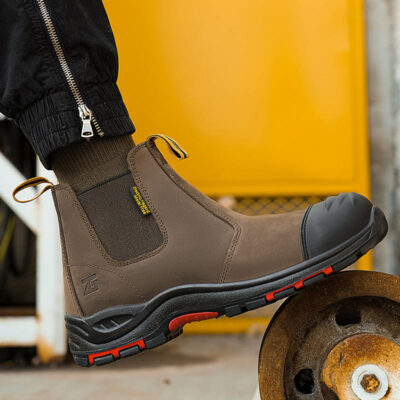
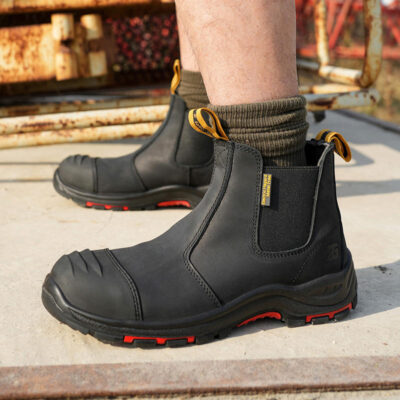
In industrial settings, toe protection is one of the most critical features in safety boots. For procurement managers, wholesalers, and distributors, deciding between steel toe and composite toe models directly impacts safety compliance, comfort, and worker productivity. Working with an experienced safety boots manufacturer ensures that both options meet international standards while aligning with buyer needs.
Steel Toe Safety Boots: The Classic Standard 🛠️
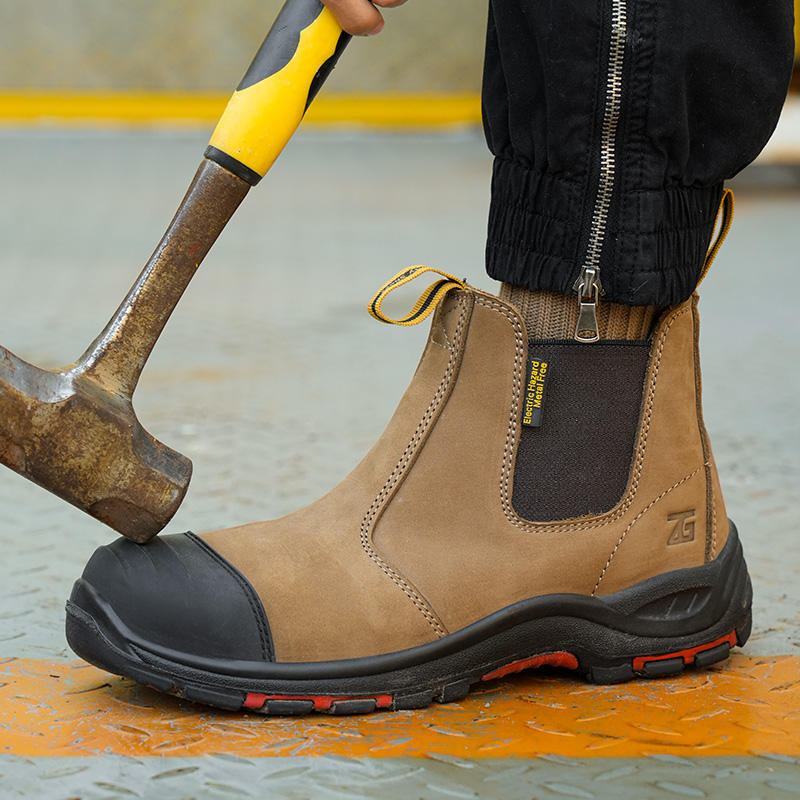
Steel toe boots have been the industry standard for decades due to their strength and proven performance.
Advantages:
✅ Superior impact and compression resistance
✅ Affordable and widely available for wholesale supply
✅ Long-lasting durability in heavy-duty environments
✅ Recognized by all major safety standards (ASTM, EN ISO, CSA)
Disadvantages:
❌ Heavier than composite alternatives
❌ Can conduct heat and cold, reducing comfort in extreme climates
❌ May trigger metal detectors in certain industries
Steel toe boots remain ideal for industries like construction, mining, and logistics where maximum impact resistance is essential.
Composite Toe Safety Boots: The Modern Alternative ⚡
Composite toe boots are made from non-metal materials such as Kevlar, carbon fiber, or plastic blends.
Advantages:
✅ Lightweight, reducing worker fatigue
✅ Non-conductive, offering insulation against heat and cold
✅ Airport and security-friendly (no metal detectors triggered)
✅ Meets many international safety certifications
Disadvantages:
❌ Slightly less impact resistance compared to steel
❌ More expensive in some markets
❌ Bulkier design in certain models
Composite toe boots are popular for industries that prioritize comfort, mobility, and non-conductivity, such as electronics, transport, and aviation.
Market Trends: Balancing Steel and Composite Options 🌍
Global buyers increasingly stock both steel toe and composite toe safety boots to serve diverse industry needs. Wholesalers benefit from offering mixed portfolios that:
Target construction and heavy industries with steel toe boots
Appeal to modern, comfort-driven buyers with composite toe boots
Expand into specialized markets such as airports, labs, and utilities
Partnering with a reliable Safety boots Manufacturer allows buyers to secure both product types under consistent quality and certification.
Customization Options for Buyers 🎨
A professional Custom boots Supplier can help buyers differentiate their products through:
Embossed or printed company logos
Industry-specific safety features (anti-static, waterproof, oil-resistant)
Packaging tailored for wholesale or retail supply
Custom colorways for brand identity
Customization ensures that whether buyers choose steel or composite models, the boots stand out in competitive markets.
Wholesale Considerations: Cost, MOQ, and Supply 📦
When choosing between steel and composite toe boots, buyers should evaluate:
Minimum Order Quantities (MOQ) for each model
Pricing tiers for bulk orders
Lead times for production and shipping
Warranty and after-sales service availability
By aligning these factors with market demand, distributors can secure profitable wholesale deals while meeting compliance needs.
Conclusion: Making the Right Choice for Buyers
Both steel toe and composite toe safety boots have unique advantages. Steel provides unbeatable impact protection, while composite offers lightweight comfort and flexibility. For buyers, the key is working with a manufacturer who provides both options and ensures compliance with international standards.
By partnering with a trusted supplier, businesses can diversify their product lines, meet varying industry requirements, and build long-term value in the global safety footwear market.