

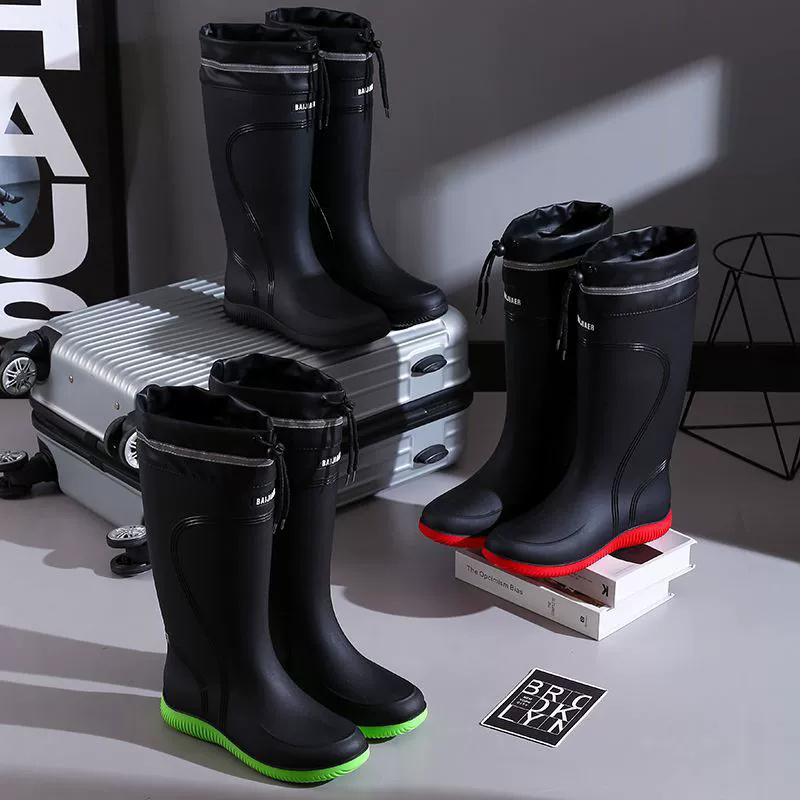
Introduction: Why Waterproofing Matters
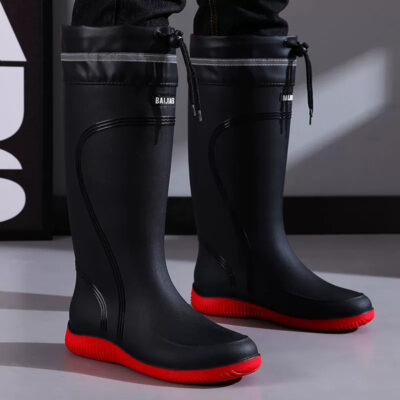
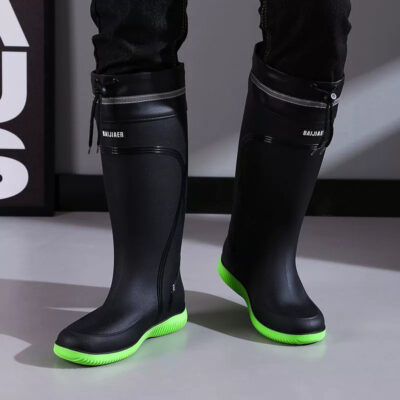
Rain boots are designed with one primary purpose: to keep feet dry. For buyers in wholesale and retail markets, waterproofing technology is a decisive factor when evaluating products. A professional rain boots manufacturer integrates both traditional methods and modern innovations to ensure boots are functional, durable, and market-ready.
1. Traditional Waterproofing Methods 🌧️
Before advanced polymers and coatings, waterproofing relied heavily on natural materials and manual processes.
✅ Rubber Vulcanization – Creates durable, water-resistant layers
✅ Wax and Oil Treatments – Used in leather rain boots for temporary protection
✅ Seam Sealing – Prevents water penetration through stitched areas
While these methods laid the foundation, today’s global buyers expect enhanced performance through advanced technologies.
2. Modern Waterproofing Technologies 🔬
Contemporary rain boot manufacturing uses innovative techniques to guarantee full protection:
PVC and EVA Injection Molding – Creates seamless boots without stitching, eliminating leakage points.
Thermoplastic Polyurethane (TPU) Coatings – Add flexibility and long-lasting waterproofing.
Neoprene Inserts – Provide insulation while maintaining water resistance.
Advanced Seam Welding – Uses heat or ultrasonic methods to bond materials tightly.
By adopting these technologies, modern factories ensure their products meet international standards for durability and comfort.
3. Balancing Comfort with Waterproofing 👟
It’s not enough for rain boots to resist water—they must also remain comfortable during long wear. Manufacturers now incorporate:
Breathable lining materials to prevent sweating
Cushioned midsoles for extended comfort
Lightweight compounds that reduce fatigue
Ergonomic designs for better fit and stability
These features allow rain boots to serve not just as protective footwear but also as everyday essentials for work and lifestyle markets.
4. Customization Options for Buyers 🎨
Global buyers often demand more than standard waterproof boots. A custom boots supplier can provide:
Embossed or printed logos for branding
Unique color palettes to match fashion trends
Specialized soles for industrial, agricultural, or casual use
Retail-ready packaging designed for wholesale markets
Customization enhances brand visibility while keeping the waterproofing technology intact.
5. Wholesale Considerations 📦
When evaluating suppliers, buyers should ask about:
MOQ (Minimum Order Quantity) flexibility
Lead times for large seasonal orders
Compliance certifications such as REACH or ASTM standards
After-sales support and warranty policies
Partnering with a reliable Rain boots Manufacturer ensures consistent quality and supply in bulk.
Recommended Links for Buyers 🔗
Explore product portfolios with a trusted Rain boots Manufacturer that uses advanced waterproofing technology.
For tailored branding and packaging, collaborate with a Custom boots Supplier.
Conclusion: Waterproofing as a Competitive Edge
Modern rain boots combine advanced waterproofing technology, comfort, and customization to meet global buyer expectations. For wholesalers and distributors, sourcing from the right manufacturer ensures not only durable, reliable products but also long-term business growth.
By investing in suppliers who integrate innovative waterproofing methods, businesses can deliver boots that protect workers, satisfy consumers, and strengthen their market presence worldwide.