

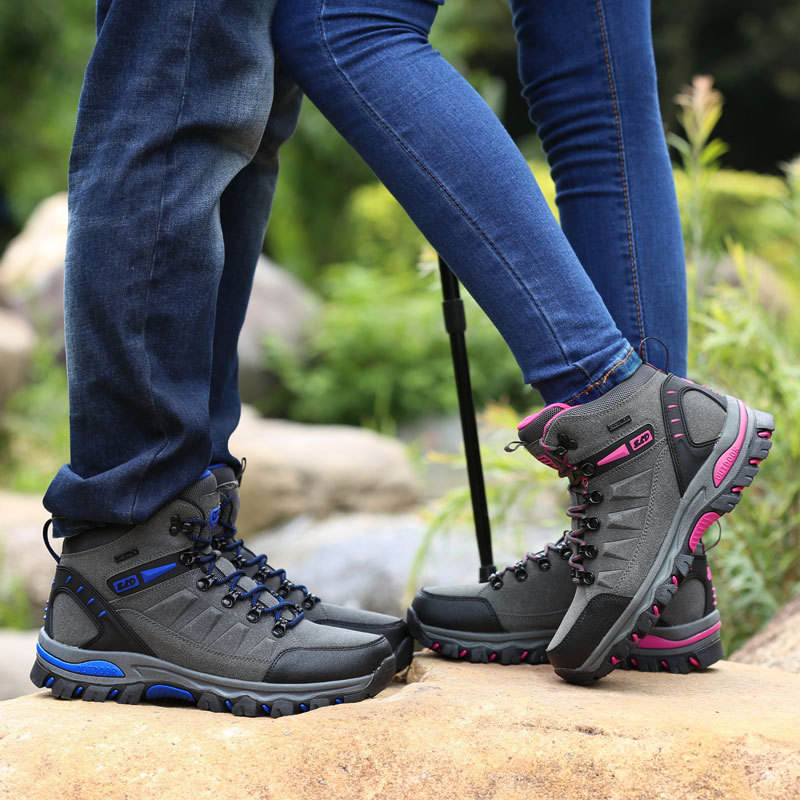
Introduction: Choosing the Right Material for Hiking Boots
Hiking boots are one of the most critical purchases for outdoor enthusiasts and industries relying on rugged footwear. For distributors and wholesalers, the choice between leather and synthetic hiking boots impacts not only product performance but also long-term buyer satisfaction. Working with a trusted hiking boots manufacturer ensures that both material types are produced to meet international quality standards.
Leather Hiking Boots: Tradition Meets Durability 🐂
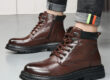
Leather remains the gold standard for premium hiking boots because of its proven durability and comfort.
Advantages:
✅ Long-lasting wear, even under heavy use
✅ Natural water resistance, especially with full-grain leather
✅ Superior foot support and stability
✅ Develops a classic patina that buyers value
Disadvantages:
❌ Heavier than synthetic alternatives
❌ Longer break-in period
❌ Higher cost for wholesale buyers
For premium outdoor retailers, sourcing from a specialized Hiking boots Manufacturer ensures consistent access to top-grade leather models that appeal to serious adventurers.
Synthetic Hiking Boots: Lightweight and Modern ⚡
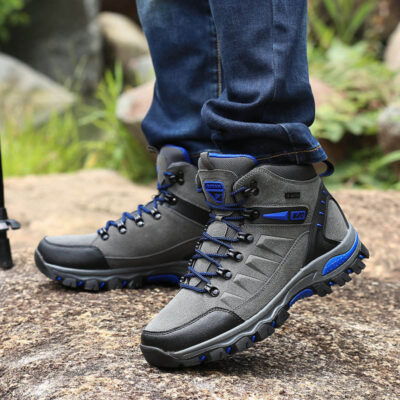
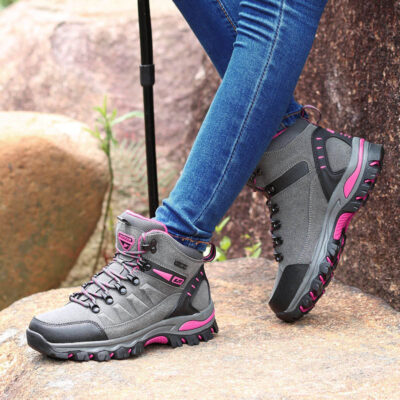
Synthetic materials such as nylon, polyester, and PU leather are increasingly popular due to affordability and lightweight design.
Advantages:
✅ Lightweight, reducing fatigue during long treks
✅ Faster drying than leather after exposure to water
✅ Cost-effective for bulk orders
✅ Available in more modern styles and colors
Disadvantages:
❌ Less durable than leather under extreme conditions
❌ Limited water resistance without additional coatings
❌ May wear down faster with heavy use
For buyers serving casual hikers or budget-friendly markets, synthetic boots are an attractive option in wholesale purchasing.
Market Trends in Hiking Boots Supply 🌍
Global buyers are shifting towards mixed product portfolios that include both leather and synthetic hiking boots. This strategy helps:
Capture premium customers who prefer full-grain leather durability
Serve younger demographics who want lightweight, affordable synthetic options
Meet diverse regional demands, such as wet climates vs. dry terrains
A professional custom boots supplier can combine features—such as leather uppers with synthetic midsoles—giving wholesalers a unique selling point.
Wholesale Considerations for Global Buyers 📦
When sourcing hiking boots, buyers should evaluate:
MOQ (Minimum Order Quantity): Flexible suppliers allow smaller trial batches
Customization Options: Logo placement, color choices, and packaging solutions
Compliance Certifications: Ensuring boots meet international outdoor standards
Lead Times: Fast and reliable delivery for seasonal demand
By working with a reliable supplier, wholesalers can ensure both material types align with their market’s expectations.
Recommended Links for Buyers 🔗
Explore durable designs with a trusted Hiking boots Manufacturer offering leather and synthetic options.
For branding flexibility, consider working with a Custom boots Supplier to create tailored product lines.
Conclusion: Balancing Tradition and Innovation
Leather and synthetic hiking boots each serve distinct buyer needs. Leather excels in durability and classic appeal, while synthetic materials deliver lightweight comfort and affordability. For wholesalers and distributors, the key is sourcing from a manufacturer who understands both markets and can deliver consistent, high-quality supply.
By balancing traditional craftsmanship with modern innovation, businesses can build strong product portfolios that satisfy a wide range of global buyers.